
Every country has characteristics and customs that are unique to it.
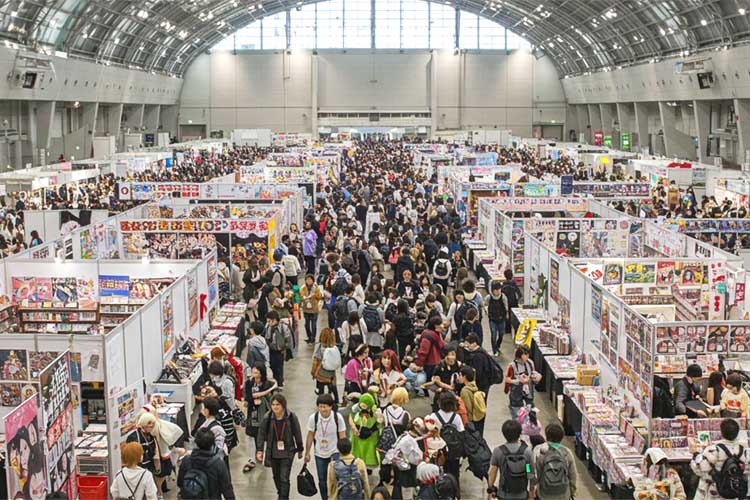
Similarly, Japan has also seen unique cultural developments that might surprise people from other countries. The remarkable development of manga culture is one such example, isn’t it?
Japan once led the world in precision manufacturing technologies for items such as watches and cameras, as well as in the development of electronic devices. However, with that advantage now diminished, the time may have come for Japan to demonstrate its progressiveness through its unique culture.
One thing that proves popular with visitors to Japan from overseas is the Japanese toilet.
Modern Japanese-made toilets are not merely clean; they come equipped not only with washlet functions, but also heated seats, automatic cleaning functions, and even automatic maintenance features.
Furthermore, their drainage and flushing systems are designed to ensure thorough cleaning using less water, addressing environmental concerns.
Overall, they are well-received, complemented by clean and aesthetically pleasing toilet interiors.
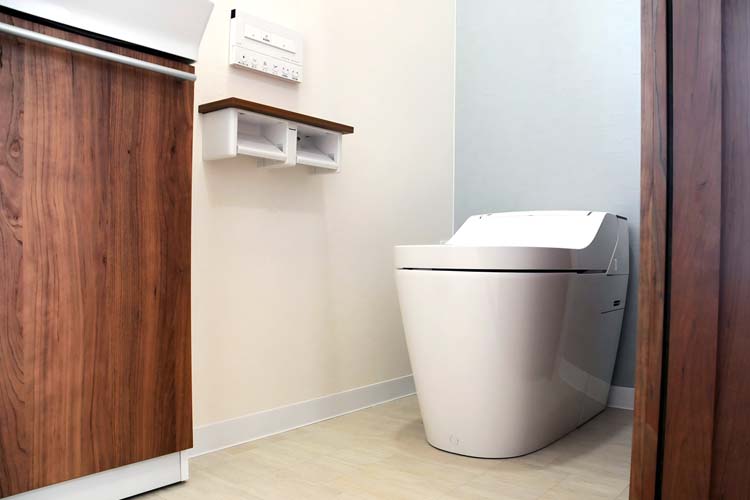
As excretion is an inseparable part of human existence, it is understandable that the hygiene and functionality of toilets, which are closely associated with it, should advance. However, the passion that drives the pursuit and realisation of such extensive development may well be the product of a peculiar thought process unique to the Japanese.
As with the Japanese kei cars discussed previously, it seems the Japanese have a tendency to continue adding features to products they first developed, leading to a kind of ‘Galápagos syndrome’.
Combined with their innate fastidiousness, this likely explains why Japanese toilets have undergone such extraordinary development.

That said, it is only in the last 20 to 30 years or so that these multifunctional electronically controlled toilets have become commonplace.
If we go back some forty years, squat-style Japanese toilets were still quite common. Even now, they can sometimes be found in old houses in the countryside. There were no temperature-controlled seats, let alone washlet bidets.
However, even so, I did not find it particularly inconvenient to relieve myself.
A hygienic living environment is undoubtedly a very good thing.
Toilets have become state-of-the-art, multi-functional units, while door handles and table tops now feature treatments that inhibit bacterial growth.
Visit any supermarket and you’ll find dozens of types of disinfectant sprays and wipes lining the shelves.

However, excessive behaviour in any matter risks bringing about disadvantages.
Might humans, accustomed to living in such overly sterile environments, gradually lose their resistance?
If this ‘cleanliness-obsessed’ society continues, I cannot help but feel humans will eventually become unable to survive outside sterile chambers.
It strikes me that the Japanese proverb, ‘Too much of a good thing is as bad as too little’, seems to be fading from the collective memory…
Moreover, I harbour concerns about entrusting all functions to electronic devices.
While convenient and comfortable features are welcome, should a power outage occur in a lifestyle utterly reliant upon them, all functions cease. Not merely supplementary features, but even basic operations become restricted.

How many people could remain calm when suddenly unable to perform tasks previously accomplished with a single button press, left in darkness without even lighting?
Moreover, as many modern electronic devices are linked to communication technologies, the scale of disruption—including issues stemming from malicious attacks—tends to be substantial.
And what concerns me most is that if we push automation too far, it will be inversely proportional to the loss of human ‘judgement’, ‘resourcefulness’, and ‘endurance’.
Once accustomed to an easier life, it would take considerable resolve and effort for people to return to their former way of living.
Modern toilets even come with a function that flushes automatically after use. Is that truly a necessary feature…?
“With your way of thinking, we’ll never develop new products.”
“Then goods won’t sell, and the economy will grind to a halt.”
“Are you denying cultural progress altogether?”
I expect those are the arguments, and they may well be valid points.
But when it comes to product development and indeed the very direction our economy is heading, I feel we ought to step back and reconsider the fundamentals at this juncture. Is that just me overthinking things…?